Roof Inspections and Drone Roof Assessments Gold Coast
Arrange a detailed roof inspection for your home, investment property or prospective purchase across the Gold Coast.
Professional Roof Inspections for Gold Coast Properties
Roof defects are not always obvious from ground level. Cracked tiles, deteriorated flashings, corrosion, damaged roof sheets and blocked drainage can remain unnoticed until water staining or internal damage appears.
Housefly Building & Pest Inspections provides residential roof inspections and drone roof assessments across the Gold Coast. We assess accessible roof areas, visible drainage components and related signs of deterioration to help owners and buyers understand the roof’s apparent condition.
Where direct access is unsafe or impractical, drone imagery may provide a clearer view of external roofing than a ground-only inspection. The findings are documented in a digital report with photographs and practical recommendations.
A roof inspection does not guarantee that the roof is watertight or that every concealed defect will be identified. It provides a visual assessment of the areas that can be seen safely at the time of inspection.
What Does a Roof Inspection Cover?
A roof inspection assesses accessible and visible roof components for signs of damage, deterioration, incomplete work and conditions that may contribute to water entry.
The inspection approach depends on the roof height, pitch, material, weather conditions and safe access available on the day.
Where accessible and included in the agreed scope, the inspection may assess:
- Roof tiles or metal roof sheeting
- Ridge and hip capping
- Flashings and roof junctions
- Valleys and drainage channels
- Gutters and downpipes
- Roof penetrations
- Skylights and roof vents
- Chimneys and surrounding flashings
- Eaves, fascia and soffits
- Visible corrosion
- Cracked, displaced or missing tiles
- Loose or damaged roof sheets
- Sealants and previous patch repairs
- Ponding or debris accumulation
- Accessible roof framing from within the roof void
- Visible moisture staining beneath the roof
- Areas that could not be safely inspected
The report should clearly state whether the roof was walked, viewed from a ladder, assessed from accessible internal areas or examined using drone imagery.
Drone Roof Inspection
A drone roof inspection can provide useful aerial photographs of roofing that is difficult to view safely from ground level.
Drone imagery may help the inspector assess:
- Large roof areas
- High or steep roofs
- Upper-storey roofing
- Valleys and junctions
- Ridge capping
- Tile displacement
- Visible sheet damage
- Flashings around penetrations
- Debris in gutters or valleys
- Areas affected by trees
- General weathering and deterioration
- Sections that cannot be seen from a ladder
A drone roof assessment is particularly useful where walking on the roof could create a safety risk or damage fragile materials.
Drone imagery does not replace every form of direct inspection. It may not reveal loose fixings, small cracks, concealed corrosion, underside conditions or defects hidden beneath flashings and overlaps. Weather, airspace, surrounding obstacles and site conditions can also affect whether a drone can be used.
Housefly should confirm its drone operating procedures, equipment, insurance and any circumstances where aerial assessment is unavailable before making detailed operational claims.
Tile Roof Inspections
Tiled roofing can develop defects through age, weather exposure, movement, impact damage and previous foot traffic.
During a tile roof inspection, visible concerns may include:
- Cracked or broken tiles
- Missing or displaced tiles
- Deteriorated ridge capping
- Open joints
- Damaged valleys
- Debris accumulation
- Previous patching
- Sagging or uneven roof lines
- Damaged flashing around penetrations
- Moisture staining within the roof space
- Deteriorated mortar
- Vegetation contacting the roof
A tile that appears intact from a distance may still contain a fine crack, while a small displacement can create an entry point during wind-driven rain.
Where direct access is unsafe, close aerial imagery may help document the visible condition without walking on the roof.

Metal Roof Inspections
Metal roofing can be durable, but it is still affected by corrosion, loose fixings, failed seals, movement and installation defects.
A metal roof inspection may identify visible concerns such as:
- Surface corrosion
- Advanced rusting
- Loose or missing fasteners
- Damaged roof sheets
- Open laps and junctions
- Deteriorated sealants
- Poorly sealed penetrations
- Damaged flashings
- Ponding or drainage concerns
- Cut edges showing deterioration
- Incompatible materials
- Patch repairs
- Wind or impact damage
Coastal exposure can accelerate corrosion of roofing and associated metal components. The rate and severity depend on the material, coating, installation and level of exposure.
A visual inspection can document apparent corrosion, but it does not measure the remaining thickness or structural capacity of roof sheeting. Specialist roofing or engineering advice may be needed where deterioration is significant.
Signs You May Need a Roof Inspection
Roof problems often become noticeable inside the building before they are visible externally.
You may benefit from a roof condition assessment if you have noticed:
- Water stains on ceilings or walls
- Mould or musty odours
- Paint bubbling or peeling
- Damp insulation
- Dripping during heavy rain
- Rust staining
- Loose or overflowing gutters
- Broken tiles on the ground
- Visible roof movement
- Debris collecting in valleys
- Damage after a storm
- Tree branches contacting the roof
- Repeated patch repairs
- No recent roof inspection record
Internal staining does not always identify the exact point where water entered. Water may travel along framing, roof sheets or insulation before becoming visible inside the home.
A roof leak inspection can identify visible evidence and likely areas of concern, but controlled water testing or specialist investigation may be required to confirm the source.
Roof Inspections Before Buying a Property
The roof is one of the more costly building elements to repair or replace, making its visible condition important during a property purchase.
A standard pre-purchase inspection may include accessible roof areas, but some buyers or properties may benefit from a more focused roof assessment.
A separate roof inspection may be useful when:
- The roof could not be fully assessed during an earlier inspection
- The property has multiple roof levels
- The roof is steep or difficult to access
- Internal staining has been identified
- The roof appears extensively patched
- The property is near the coast
- The roof is older
- Recent storm damage is suspected
- A seller has disclosed previous leaks
- A specialist roof quotation may be needed
The report can help the buyer identify visible maintenance concerns and decide whether further assessment or quotations should be obtained before proceeding.
It should not be treated as a roofing warranty or guarantee against future leaks.
Roof Leaks, Moisture and Internal Evidence
Roof inspection findings should be considered alongside visible evidence inside the building.
Housefly may inspect accessible roof voids and internal surfaces for:
- Moisture staining
- Damp insulation
- Timber discolouration
- Fungal growth
- Corroded fixings
- Water marks beneath penetrations
- Daylight entering through gaps
- Damaged roof underlay
- Evidence of previous leakage
- Poorly positioned insulation
- Signs of condensation
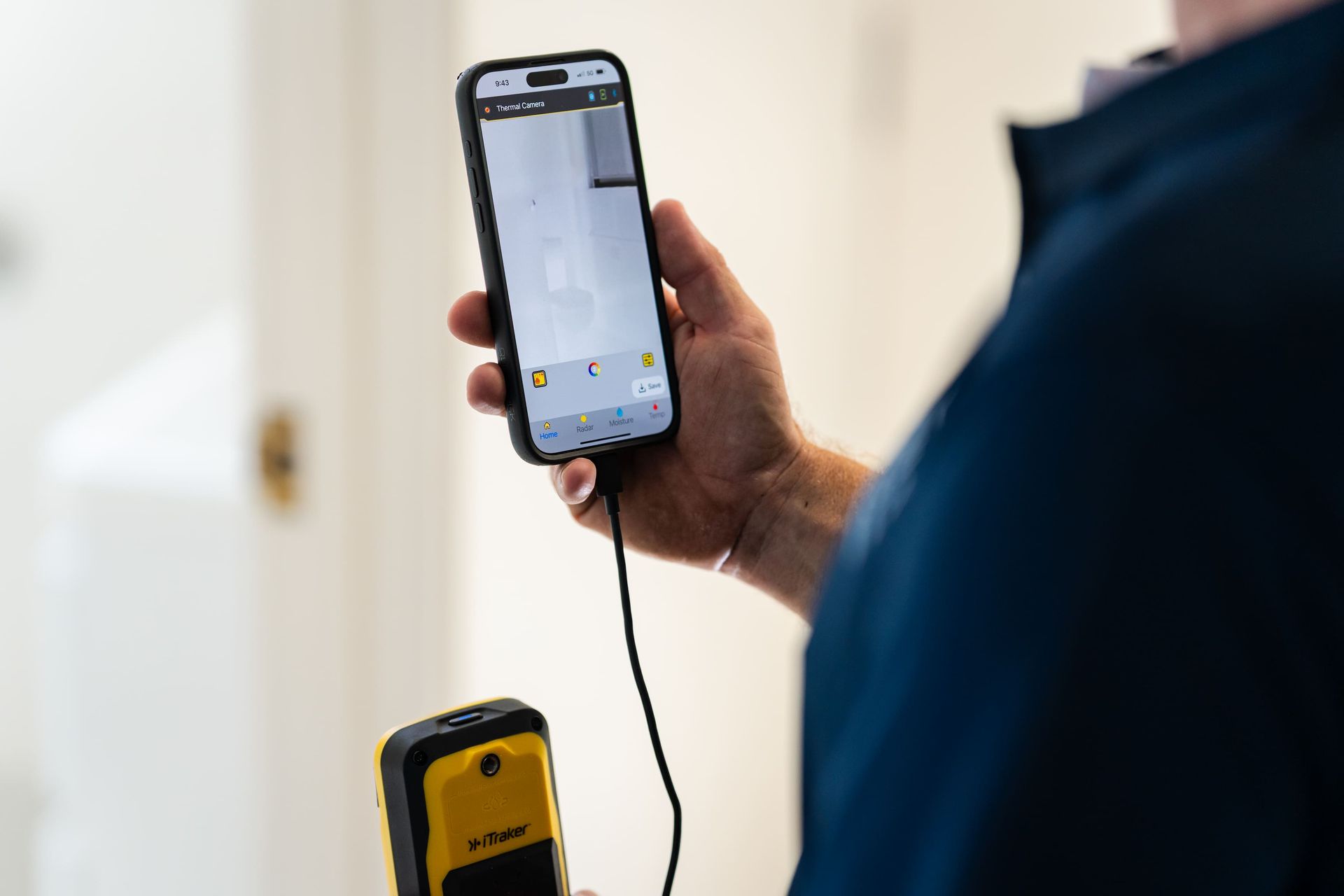
Moisture meters or thermal imaging may be used where suitable to identify areas requiring closer attention. These tools do not independently confirm the source of moisture.
A dry reading on the inspection day does not prove that a roof has never leaked. Intermittent leaks may only become active during particular wind and rain conditions.
Where the source remains uncertain, the report may recommend assessment by a roofing contractor, plumber or other appropriate specialist.
Roof Drainage and Gutter Concerns
A roof relies on gutters, valleys and downpipes to move water away from the building.
Blocked or damaged drainage can lead to overflow, water entry, deterioration of fascia and moisture around foundations.
The inspection may identify:
- Gutters containing leaves or debris
- Corroded gutter sections
- Loose or damaged gutters
- Inadequate falls
- Overflow staining
- Blocked downpipes
- Downpipes discharging beside the building
- Damaged valley gutters
- Ponding
- Vegetation overhanging the roof
- Missing or incomplete drainage connections
A visual inspection cannot confirm the capacity of the drainage system during every rainfall event. Hydraulic performance and concealed stormwater connections fall outside a standard roof inspection.
Clear Roof Inspection Reports With Photographs
After the inspection, Housefly provides a digital roof inspection report with photographs and practical recommendations.
The report may include:
- Areas assessed
- Method of inspection
- Visible roof defects
- Gutter and drainage concerns
- Internal moisture evidence
- Drone photographs where used
- Inaccessible areas
- Safety and weather limitations
- Recommended maintenance
- Areas requiring specialist assessment
- Suggested trade quotations
Housefly’s current website promotes same-day digital reporting. Exact turnaround for a standalone roof inspection should be confirmed when booking.
The report records the visible condition on the inspection date. It does not certify workmanship, guarantee waterproofing or predict how the roof will perform during future storms.
Roof Inspections Across the Gold Coast
Based in Mermaid Waters, Housefly Building & Pest Inspections provides roof inspections throughout the Gold Coast.
We assist homeowners, buyers, sellers and investors in Southport, Pimpama, Robina, Broadbeach, Burleigh Heads, Nerang, Coomera, Upper Coomera, Helensvale, Hope Island and Varsity Lakes.
Gold Coast roofing is exposed to strong sun, heavy rainfall, wind, vegetation and coastal conditions. Properties closer to the coast may show accelerated corrosion, while established leafy suburbs may experience debris accumulation and branches contacting roofing or gutters.
Newer homes can also contain roofing concerns, including incomplete sealing, damaged materials or drainage defects.
Our wider service area includes Logan and selected parts of Northern New South Wales, including Tweed Heads and Kingscliff.
Each location should link internally to its corresponding service-area page as the website expands.
Roof Inspection Cost
The cost of a roof inspection depends on the property, access and inspection method.
Factors that may affect pricing include:
- Single- or multi-storey construction
- Roof area
- Roof pitch
- Tile or metal roofing
- Number of roof levels
- Safe ladder access
- Accessible roof voids
- Drone use
- Detached structures
- Property location
- Report detail
- Urgency
A small single-storey roof may require less inspection time than a large multi-level property with several roof sections.
The supplied business information does not include a verified standalone roof inspection price. Housefly should confirm whether drone assessment is included in the standard fee or quoted as an additional service.
Important Roof Inspection Limitations
Roof inspections are affected by safety, access and weather.
The inspector may be unable to walk on a roof where:
- The pitch is unsafe
- The surface is wet
- Materials are fragile
- Roof access is unsuitable
- Electrical hazards are present
- The height requires specialised access equipment
- Strong wind or rain affects safety
- The roof may be damaged by foot traffic
- A standard roof inspection also cannot fully assess:
- Concealed fixings
- Waterproofing beneath roofing
- Hidden framing
- Every tile or fastening
- Underground stormwater
- Performance during future rain
- Structural capacity
- Asbestos-containing materials
- Electrical or solar installations
- Workmanship concealed beneath flashings
Where access is restricted, the report should explain the inspection method and resulting limitations.
Why Choose Housefly for a Roof Inspection?
Roof concerns require more than a distant ground-level glance. Clients need clear images, practical explanations and an honest account of what could and could not be assessed.
Housefly provides:
- Residential roof inspections
- Roof assessments for buyers, owners and investors
- Tile and metal roof observations
- Drone roof imagery where suitable
- Inspection of accessible roof voids
- Moisture assessment where appropriate
- Digital reports with photographs
- Plain-English findings
- Local service throughout the Gold Coast
- Recommendations for specialist roofing advice where required
Housefly should confirm the standalone service price, drone operating scope, report turnaround and whether roof inspections are available independently or only as part of broader building inspections.
Frequently Asked Questions
When we conduct a building and pest inspection, we look for these common issues:
When should the inspection be completed?
It should ideally be completed before demolition, excavation, heavy vehicle movement or other nearby construction activity begins.
Do you use a drone for roof inspections?
Drone imagery may be used where suitable and where direct access is unsafe or impractical. Housefly’s confirmed drone service scope should be checked when booking.
What is another name for a dilapidation inspection?
It may also be called a pre-construction condition report, existing-condition report, property condition survey or neighbouring property inspection.
Is a dilapidation report a structural engineering report?
No. It records visible condition and does not assess structural adequacy or determine the cause of cracking.
Is a drone inspection as good as walking on the roof?
Drone imagery provides useful aerial views but cannot reveal every defect that may be found through close physical inspection. The safest and most appropriate method depends on the roof.
Can you inspect both tile and metal roofs?
Yes, subject to access and the agreed scope. The visible defects and inspection approach differ between tile and metal roofing.
Can a roof inspection find the source of a leak?
It may identify visible damage and likely entry points, but water can travel before becoming visible internally. Further testing or specialist investigation may be required.
Does the inspection include gutters and downpipes?
Visible and accessible gutters, valleys and downpipes may be included. Concealed stormwater drainage is outside a standard visual inspection.
Can you inspect the roof before I buy a home?
Yes. A focused roof assessment may be arranged before purchase, particularly where access was limited or concerns were identified during an earlier inspection.
Does a roof inspection include the roof void?
Accessible roof voids may be inspected where safe and included in the agreed scope. Some roof spaces may be restricted by low clearance, insulation, stored items or construction.
Does the report prove who caused property damage?
No. It records the property’s visible condition at the time of inspection. Determining causation or liability may require engineering and legal advice.
Does the inspection identify asbestos?
No. Suspected materials may be noted, but asbestos identification requires appropriate sampling and laboratory analysis.
How much does a roof inspection cost?
The standalone price has not been confirmed. Cost may depend on roof size, height, access, property location and whether drone imagery is required.
How quickly will I receive the report?
Housefly’s current website promotes same-day digital reporting. The exact turnaround for standalone roof inspections should be confirmed when booking.
Which areas do you service?
Housefly provides dilapidation inspections across the Gold Coast, including Southport, Robina, Broadbeach, Burleigh Heads, Nerang, Pimpama, Coomera and surrounding areas towards Logan.
Which areas do you service?
Housefly provides roof inspections across the Gold Coast, including Southport, Pimpama, Robina, Broadbeach, Burleigh Heads, Nerang, Coomera, Hope Island and surrounding areas