New Construction and Stage Inspections Gold Coast
Arrange independent building stage inspections to identify visible construction concerns before important elements are covered by later work.

Independent Inspections Throughout Your New Build
Building a new home involves a sequence of trades, materials and construction stages. Once wall linings, roofing, flooring and finishes are installed, many earlier elements become difficult or impossible to inspect visually.
New construction inspections give owners an independent view of the accessible work at key points during the build. They can identify visible workmanship concerns, incomplete items and conditions that may need to be raised with the builder before construction progresses.
Housefly Building & Pest Inspections provides new home building inspections across the Gold Coast for homeowners, investors and clients building remotely. We document visible concerns clearly, with photographs and practical explanations that can help you communicate with the builder.
What Are Building Stage Inspections??
Building stage inspections are completed at selected points during construction rather than waiting until the home is finished.
Each inspection focuses on the work that is visible and accessible at that stage. The purpose is to identify apparent defects or incomplete items while there is still an opportunity to review them before later construction conceals the area.
Depending on Housefly’s confirmed service scope, inspections may be available at stages such as:
- Base or slab stage
- Frame stage
- Enclosed or lock-up stage
- Fixing or pre-paint stage
- Practical completion
- Final handover
The terminology used by builders can vary, and the stages described in the building contract may not use exactly the same names. Owners should provide the builder’s construction schedule so the inspection can be arranged at the appropriate time.
A stage inspection does not supervise the construction project continuously. It records the accessible conditions observed during a specific site visit.
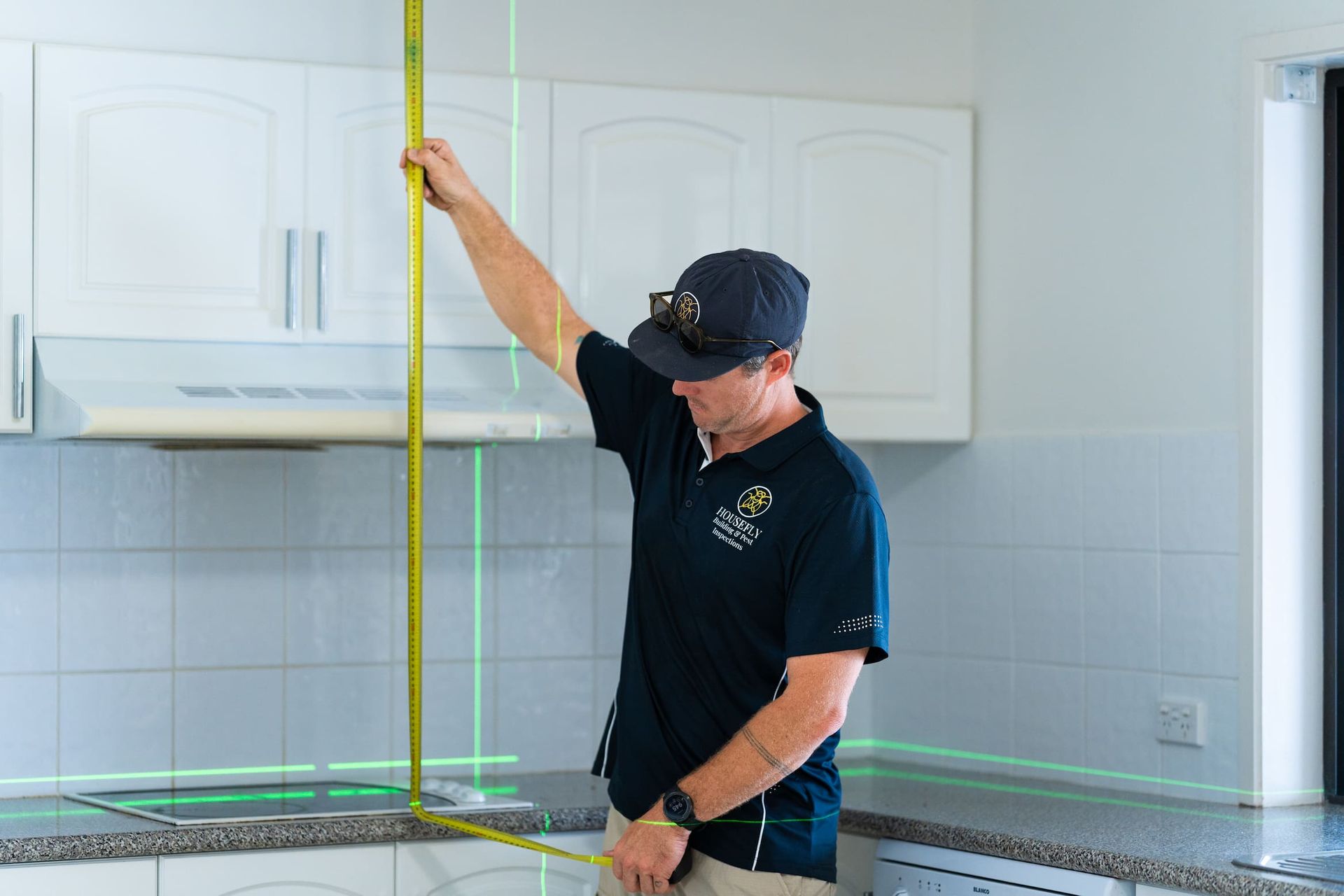
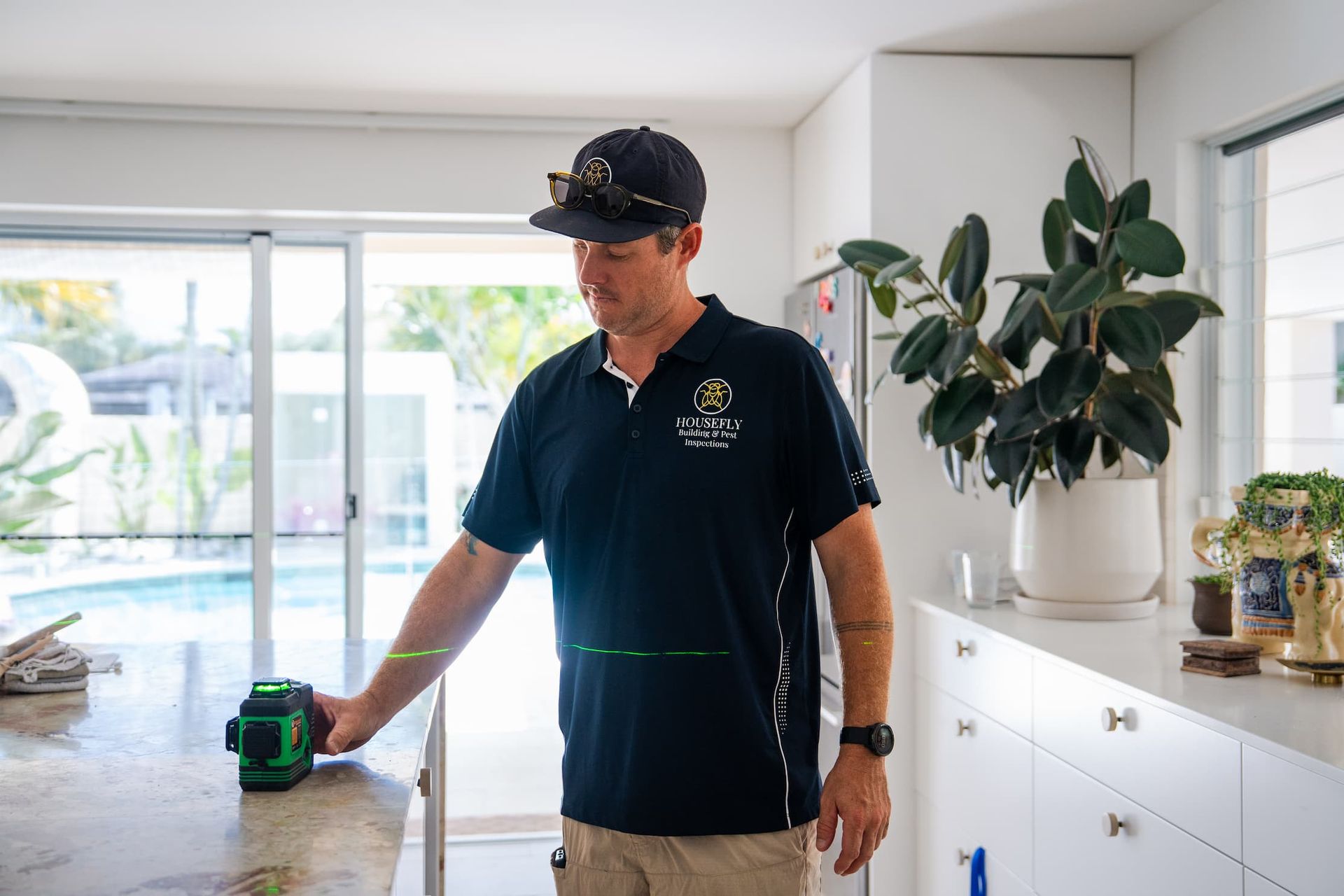
Why Inspect Before Work Is Covered?
Many important parts of a new home are visible only briefly.
Framing can later be concealed by wall and ceiling linings. Flashings and junctions may become harder to view once cladding or roofing is completed. Wet-area preparation is eventually hidden beneath tiles and finishes. Waiting until handover means some elements can no longer be assessed through a standard visual inspection.
An inspection at the relevant stage may help identify:
- Incomplete work
- Damaged building components
- Visible alignment issues
- Missing or poorly fitted elements
- Unsealed penetrations
- Moisture exposure before enclosure
- Work that appears inconsistent with the intended plans or finish
- Areas requiring clarification from the builder
- Defects that may be easier to correct before the next trade begins
Not every observation will represent a serious defect. The report should distinguish between minor workmanship matters, incomplete work and concerns that may require further review by the builder, certifier, engineer or another appropriately qualified professional.
Base and Slab Stage Inspections
A base or slab inspection is completed around the early foundation stage, subject to the timing, access and type of construction.
For slab-on-ground homes, some elements may only be visible before concrete is poured, while others can be assessed after the slab has been completed. The precise inspection timing must therefore be coordinated carefully with the builder.
Depending on the construction stage and accessible work, the inspection may consider:
- General slab appearance and visible condition
- Dimensions and layout where practical
- Visible penetrations and service locations
- Edge details and apparent damage
- Surface cracking or irregularities
- Changes from the expected footprint
- Site drainage or water accumulation
- Visible preparation for the next construction stage
Housefly should confirm whether it inspects pre-pour reinforcement and formwork, post-pour slabs, or both. These are different inspection scopes and should not be presented as interchangeable.
A standard building inspection does not replace engineering design, survey set-out, concrete testing or certification of structural work.

Frame Stage Inspections
The frame stage is one of the most valuable times to inspect a new home because the structural framework remains visible before internal linings conceal much of it.
Depending on access and the type of build, the inspector may review accessible elements such as:
- Wall and roof framing
- General alignment and bracing
- Openings for doors and windows
- Visible connections and fixings
- Trusses and accessible roof framing
- Damage, cutting or alteration to members
- Service penetrations through framing
- Moisture exposure or deterioration
- Incomplete framing components
- Areas that differ visibly from the expected layout
A frame stage inspection is visual and does not certify the structural engineering design or confirm every concealed connection. Where an observation raises a structural concern, assessment by the project engineer or another suitable professional may be recommended.
Completing the inspection before plasterboard and other linings are installed gives the owner a clearer record of the visible frame.
Lock-Up and Fixing Stage Inspections
At lock-up or enclosure stage, the external shell of the property is generally taking shape. Windows, external doors, roofing and cladding may be installed, although exact stage definitions differ between builders and contracts.
A lock-up inspection may consider visible concerns involving:
- External walls and cladding
- Roofing and roof junctions
- Windows and external doors
- Flashings and visible weatherproofing details
- Gaps around openings and penetrations
- Damage to installed materials
- Incomplete external elements
- Water entry or exposure
- General readiness for internal work
At fixing or pre-paint stage, internal linings, cabinetry, skirting, architraves and other finishes may be installed.
The inspection may then consider:
- Internal wall and ceiling finishes
- Door frames and internal doors
- Cabinetry installation
- Skirting boards and architraves
- Visible wet-area preparation
- Stairs, balustrades and handrails
- Damage created by later trades
- Incomplete or inconsistent work
- Areas requiring correction before painting or final finishes
Identifying concerns before painting, tiling and final fit-out can make them easier to document and address.
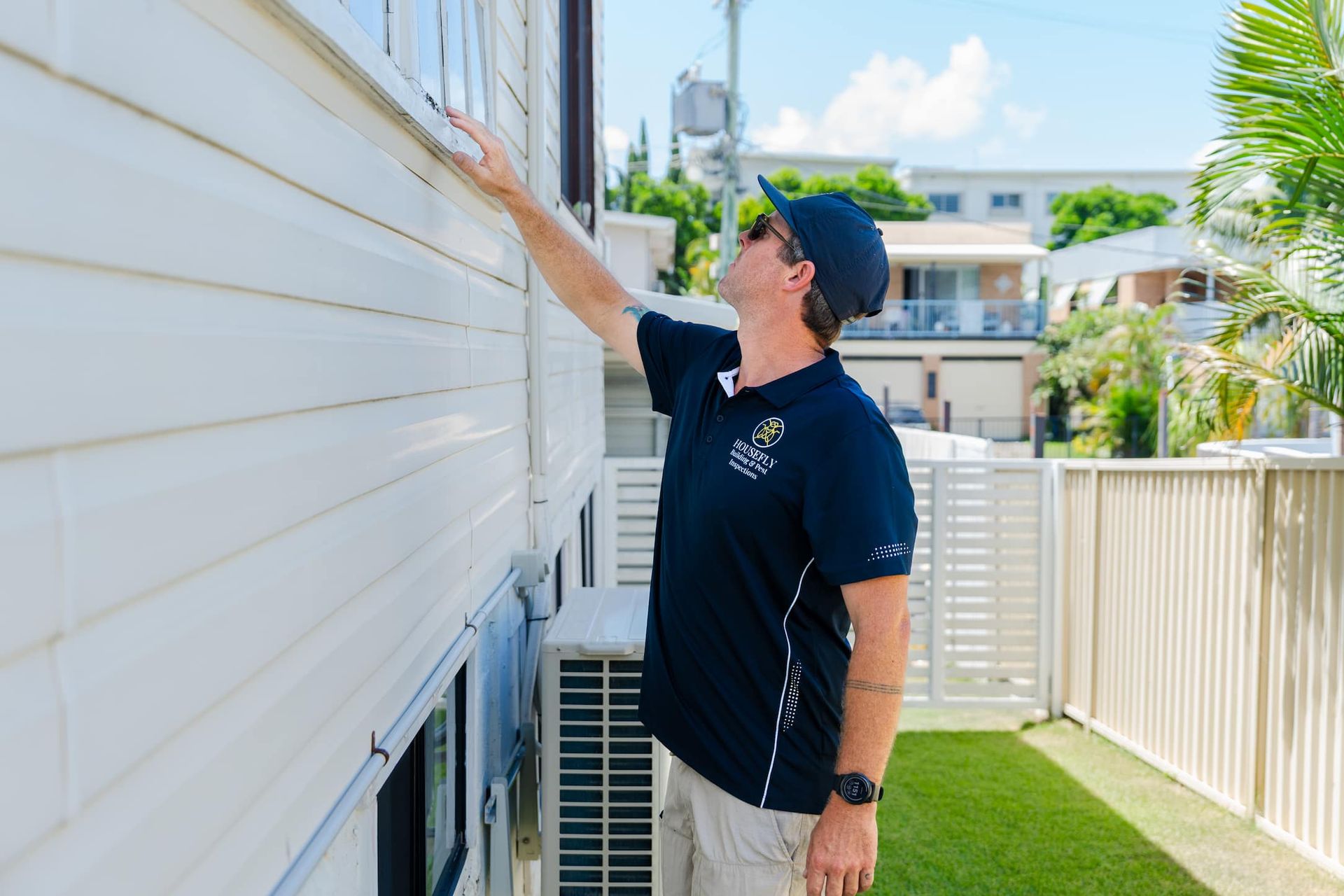
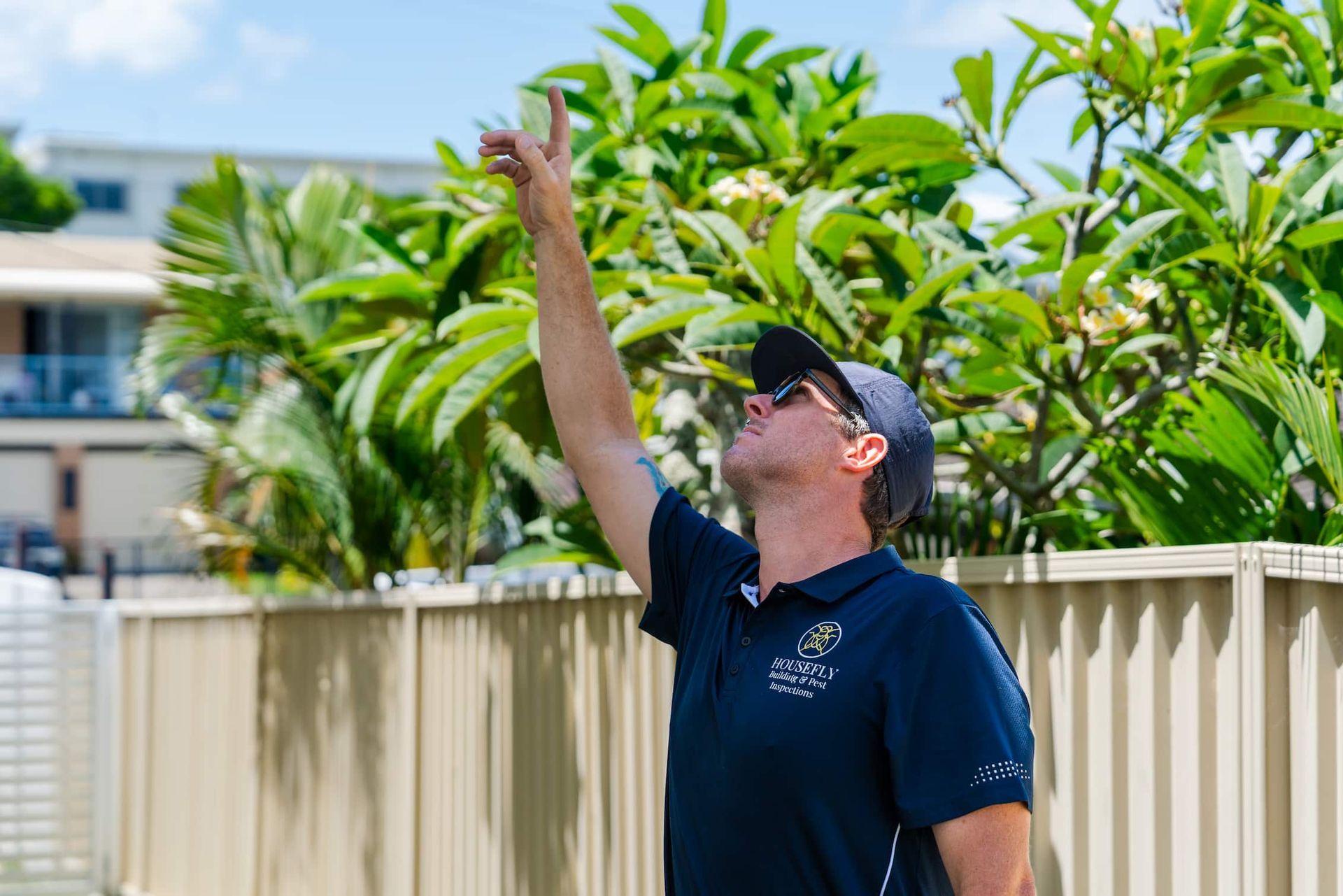
Clear Stage Inspection Reports
After each inspection, Housefly provides a digital report containing photographs, locations and plain-English descriptions of visible concerns.
The report is intended to help the owner understand:
- What was inspected
- What stage the building had reached
- Which concerns were observed
- What work appeared incomplete
- Which areas could not be accessed
- Whether further professional review may be needed
- What should be discussed with the builder
A stage inspection report does not direct the builder’s work or determine contractual liability. It gives the owner an independent record to use when communicating with the builder, project manager or relevant consultant.
Owners should forward significant concerns promptly rather than waiting until practical completion, particularly where the work may soon be concealed.
When Should You Book Each Inspection?
Stage inspections need to be coordinated around the builder’s programme. The inspector must attend after the relevant work is sufficiently complete but before the next stage conceals important elements.
Owners should ask the builder to provide advance notice of upcoming stage-completion dates. Construction schedules can change due to weather, material delivery and trade availability, so flexibility may be needed.
A practical booking process is to:
- Identify the inspection stages included in the service.
- Notify the builder that an independent inspector will attend.
- Request sufficient notice before each stage is covered.
- Confirm that the site is safe and accessible.
- Send the plans and relevant documents before the visit.
- Raise report findings promptly after each inspection.
An inspection booked too early may find the work incomplete. An inspection booked too late may occur after critical elements have already been covered.
Why Choose Housefly for New Home Inspections?
Building a home can be difficult to monitor when you do not work in construction or cannot visit the site regularly. Independent reporting gives you a clearer record of visible progress and concerns at selected stages.
Housefly provides:
- Independent new construction inspections
- Building stage inspections for agreed stages
- Digital reports with photographs
- Plain-English descriptions
- Identification of visible incomplete work
- Practical building-condition knowledge
- Communication suitable for owners and investors
- Coordination with builders or site representatives
- Local service throughout the Gold Coast
- Final handover inspections where separately booked
Housefly should confirm the exact stages it offers, the cost of individual and packaged inspections, report turnaround and whether plans are reviewed as part of the service.
Review the Work Before the Next Stage Begins
New construction inspections help owners identify visible concerns while important parts of the building remain accessible.
Housefly Building & Pest Inspections provides independent stage inspections across the Gold Coast, giving homeowners and investors clear photographic reports they can use when communicating with their builder.
Frequently Asked Questions
When we conduct a building and pest inspection, we look for these common issues:
What is a building stage inspection?
A stage inspection is an independent visual assessment completed at a selected point during construction. It identifies visible workmanship concerns, incomplete items and areas that may require clarification before the next stage proceeds.
Which construction stages can be inspected?
Common stages include base or slab, frame, lock-up, fixing and practical completion. Housefly’s exact stage-inspection offering should be confirmed before publication.
Is a stage inspection worth getting for a new home?
It can provide an independent record of visible work before important elements are covered. This may help owners identify concerns earlier rather than waiting until handover.
Is a stage inspection the same as a handover inspection?
No. Stage inspections occur during construction. A handover inspection is completed near practical completion when the home is substantially finished.
Does the inspector review the building plans?
Plans can help the inspector understand the intended layout and construction. Housefly should confirm whether formal plan review is included or whether documents are used only as supporting information.
Does the inspection replace the building certifier?
No. The building certifier performs statutory functions. An independent stage inspection is completed for the owner and does not replace mandatory certification inspections.
What is checked during a frame inspection?
A frame inspection may assess accessible wall and roof framing, openings, bracing, connections, visible damage and service penetrations. It does not certify the engineering design.
Can Housefly inspect before the slab is poured?
This service has not been confirmed. Pre-pour and post-pour slab inspections have different scopes, so Housefly should specify exactly which base-stage inspections it offers.
What happens if the inspector finds a defect?
The issue is documented in the report with photographs and a clear description. The owner can then raise it with the builder and obtain specialist advice where recommended.
Can the builder refuse access?
Access depends on the building contract, site rules and builder approval. Owners should notify the builder and arrange a suitable inspection time rather than entering an active construction site without permission.
How long does a stage inspection take?
The time required depends on the stage, property size, construction type and available access. Exact timing should be confirmed when booking.
Will I receive a report after each stage?
Yes, where individual stage inspections are booked. The report should record the stage assessed, visible concerns, photographs and relevant limitations.
Can you inspect duplexes and townhouses?
Potentially, subject to the project type, access and Housefly’s confirmed service scope. Larger or multi-unit construction may require a separate quotation.
How much do building stage inspections cost?
The supplied business information does not contain confirmed stage-inspection pricing. Housefly should publish individual-stage and package pricing once finalised.
Which areas do you service?
Housefly provides new construction inspections across the Gold Coast, including Pimpama, Coomera, Upper Coomera, Ormeau, Hope Island, Helensvale, Robina and surrounding areas towards Logan.