Handover Inspections Gold Coast
Arrange an independent handover inspection to identify visible defects, incomplete work and workmanship concerns before accepting your new home.
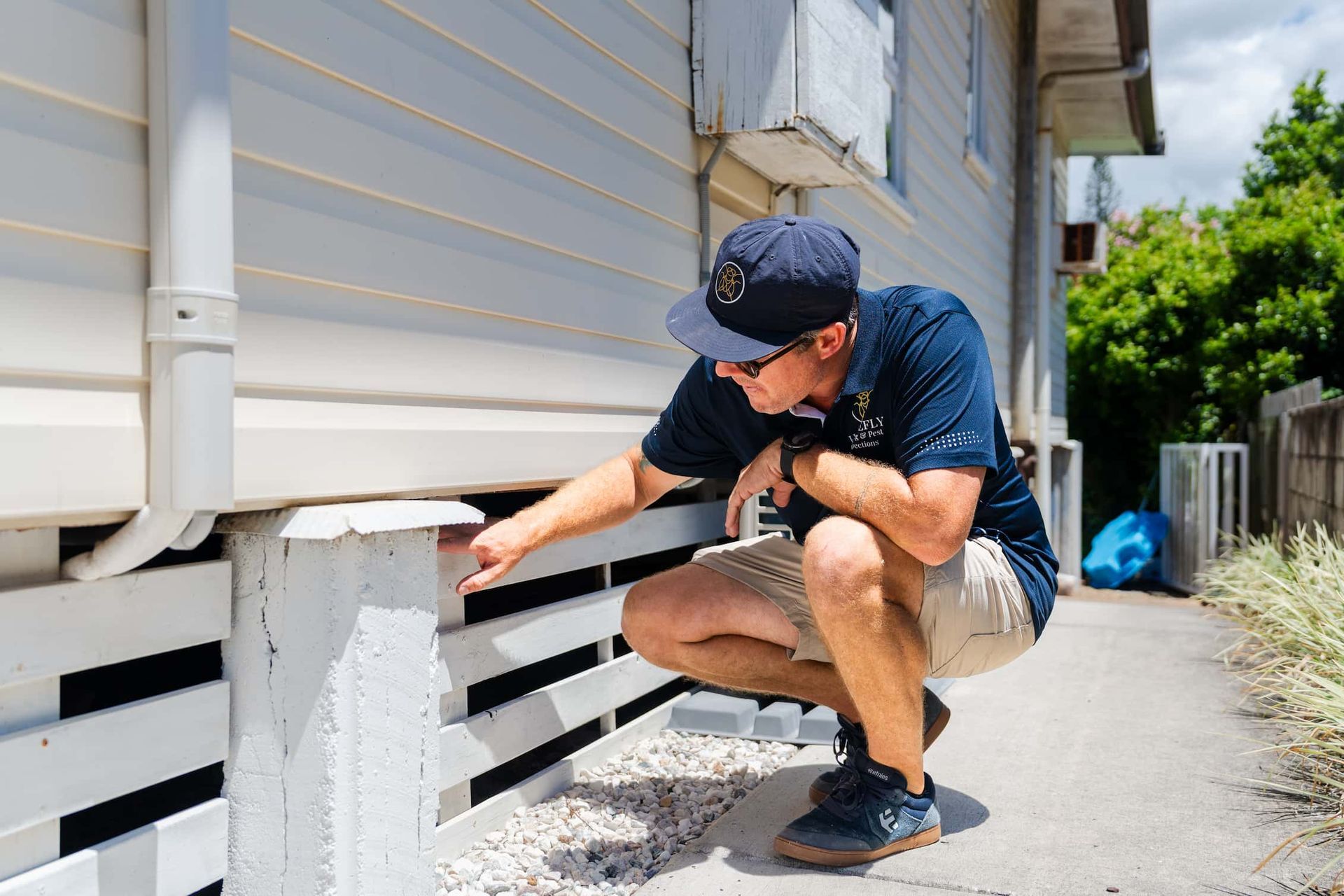
Protect Your New Home Before Handover
Reaching the end of a new build is exciting, but it is also one of the most important times to inspect the property carefully. Once the home is complete, cosmetic presentation can make it difficult to notice incomplete work, poor finishes or defects that may become more inconvenient after you move in.
A handover inspection, also known as a practical completion inspection, gives you an independent assessment of the accessible completed work before possession is transferred. The inspection focuses on visible defects, workmanship concerns, incomplete items and areas that may require attention from the builder.
Housefly Building & Pest Inspections provides handover inspections for homeowners, investors and new-build buyers across the Gold Coast. Our aim is to give you a clear, practical defects inspection report that you can use when discussing outstanding items with the builder.
What Is a Handover Inspection?
A handover inspection is completed near the end of construction, when the property is substantially complete and ready for practical completion or final review.
The purpose is to identify visible issues before the owner accepts possession. It is not the same as a building certifier’s approval, engineering assessment or statutory certification. It is an independent review of the accessible finished work from the client’s perspective.
Depending on the property and stage of completion, the inspection may assess:
- Internal walls, ceilings and floors
- Doors, windows and locks
- Cabinetry, benchtops and internal finishes
- Bathrooms, kitchens and laundries
- Tiling, sealants and visible waterproofing-related concerns
- Stairs, balustrades and handrails
- External walls, cladding and finishes
- Roofing and visible roof drainage
- Decks, patios, balconies and external structures
- Garages and accessible storage areas
- Fixtures and fittings
- Incomplete, damaged or poorly finished work
- Visible cracking, movement or moisture concerns
- General presentation and readiness for handover
The exact scope depends on the building, access and the agreed inspection service.
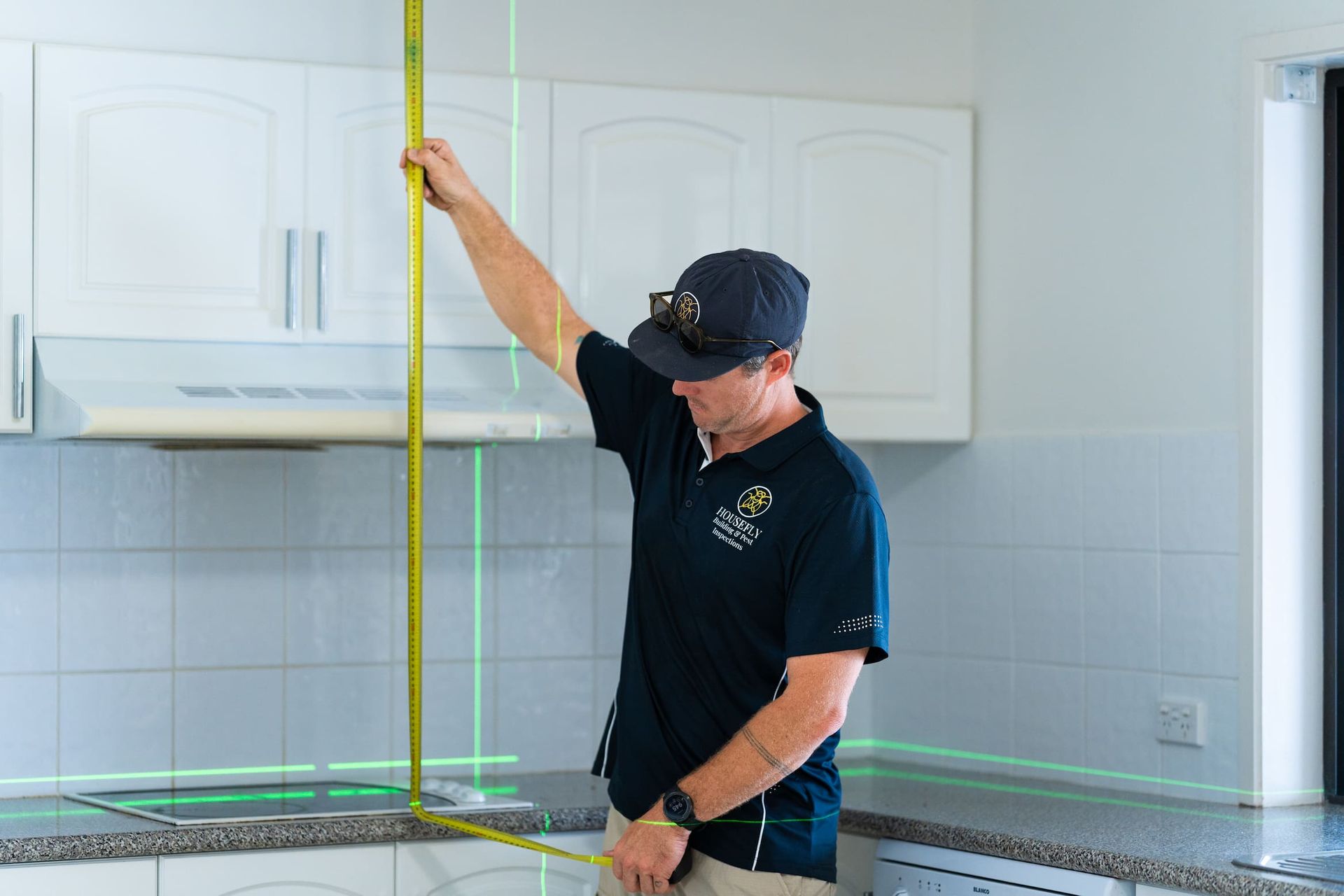
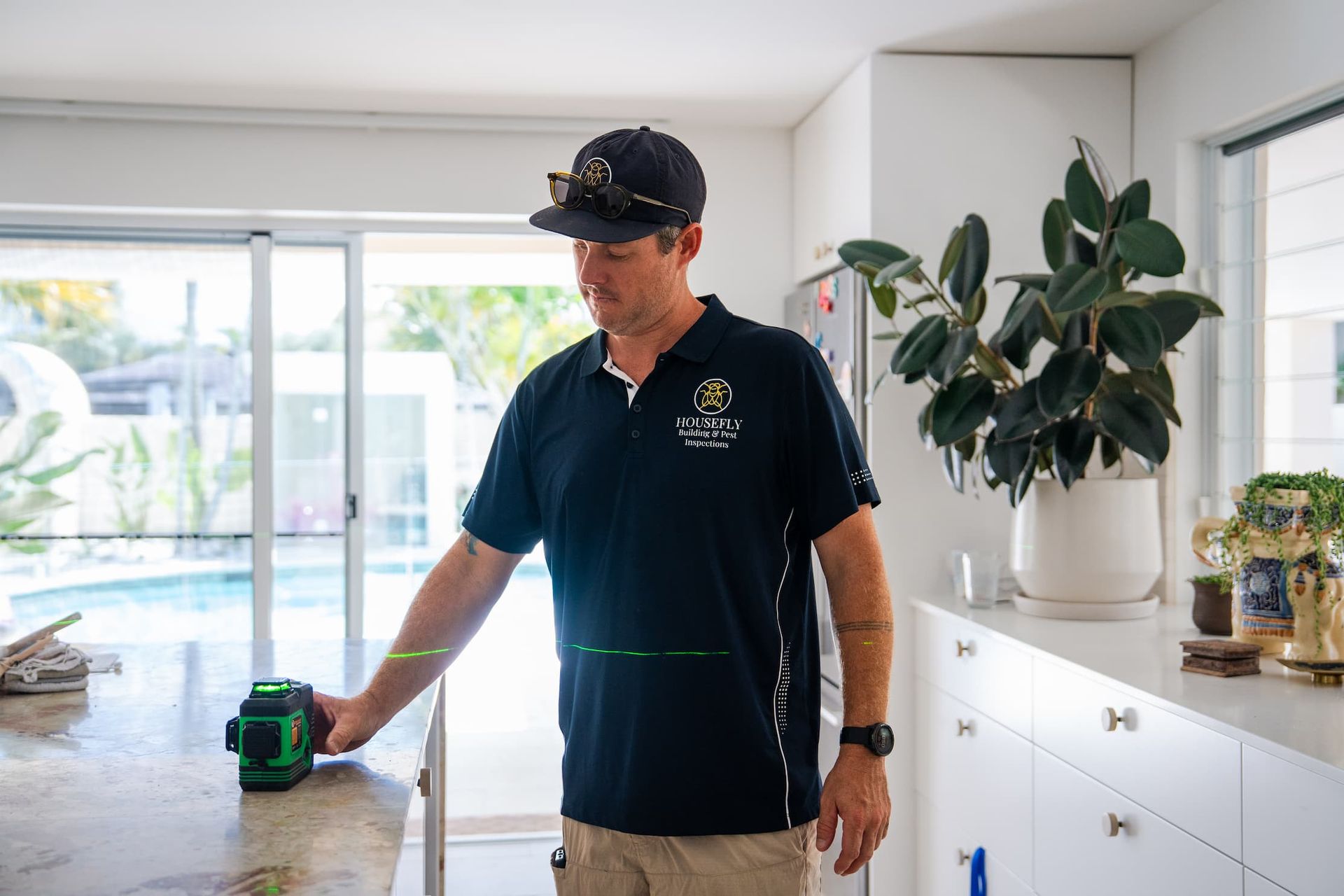
Common Defects Found Before Practical Completion
New homes can still contain defects even where the overall build appears complete. Some issues relate to workmanship, while others result from unfinished trades, damage during construction or items being missed during the builder’s own quality-control process.
Common concerns found during practical completion inspections may include:
- Poor paint finishes or incomplete touch-ups
- Cracked, chipped or uneven tiles
- Incomplete sealant around wet areas
- Doors or windows that do not open, close or latch properly
- Misaligned cabinetry or damaged benchtops
- Loose handles, fittings or fixtures
- Uneven flooring or visible gaps
- Incomplete external finishes
- Damaged plasterboard or cornices
- Gaps around penetrations
- Poor drainage falls or ponding
- Incomplete gutter or downpipe connections
- Cracking in walls, ceilings or external finishes
- Missing covers, trims or hardware
- Construction debris or incomplete cleaning
- Work that appears inconsistent with the intended finish
Not every cosmetic imperfection is a major defect. The value of the inspection lies in documenting the visible issue clearly, explaining where it appears outside reasonable workmanship expectations and helping the owner raise it before handover.
Practical Completion Inspection Versus Final Certification
A practical completion inspection serves a different purpose from the inspections completed by the builder, certifier or relevant authority.
A building certifier may assess whether the work satisfies the requirements relevant to certification. The builder may also complete an internal quality review before handover. Neither process necessarily provides the detailed, room-by-room defect list that the owner may want before taking possession.
Housefly’s role is to assess the accessible finished property and document visible concerns from the owner’s perspective.
A handover inspection does not:
- Replace a building certifier
- Approve the building for occupation
- Confirm full compliance with every code or standard
- Test concealed systems
- Certify electrical, plumbing or engineering work
- Guarantee that no concealed defects exist
Where a visible issue suggests that specialist assessment is needed, the report may recommend review by an appropriately qualified professional.

A Detailed Defects Inspection Report
After the inspection, Housefly provides a digital defects inspection report with photographs and plain-English explanations.
The report is designed to help you identify:
- The location of each visible concern
- The nature of the defect or incomplete item
- Whether the matter appears cosmetic, functional or more significant
- Which areas could not be assessed
- Where further specialist advice may be appropriate
- Which items may need to be discussed with the builder
A clear report can make conversations with the builder more efficient because each concern is documented with its location and supporting image.
The report does not determine the builder’s contractual liability or direct how a dispute should be handled. Contractual rights, defect obligations and practical completion terms should be discussed with the builder and, where necessary, an appropriate legal or building professional.
When Should You Book a Handover Inspection?
A handover inspection should be arranged when the property is substantially complete but before possession is accepted, where the building contract and access arrangements allow it.
The ideal timing is generally after the major construction work is complete and the property has been cleaned sufficiently for walls, floors, fittings and finishes to be inspected.
Booking too early may mean:
- Trades are still working in the property
- Fixtures and finishes are incomplete
- Defects are hidden by materials or equipment
- Additional work may create new damage
- The final condition cannot yet be assessed
Booking too late may mean you have already accepted possession or moved belongings into the home, making defects harder to document and access.
Owners should confirm the inspection timing, access rights and practical completion process under their building contract.
Our Handover Inspection Process
We keep the process clear and practical for new-home owners.
1. Confirm the Handover Stage
Provide the property address, builder details and expected practical completion date. We will confirm whether the home appears ready for the inspection.
2. Arrange Access
Access is coordinated with the owner, builder or site representative. The property should be sufficiently complete and safe to inspect.
3. Inspect the Completed Work
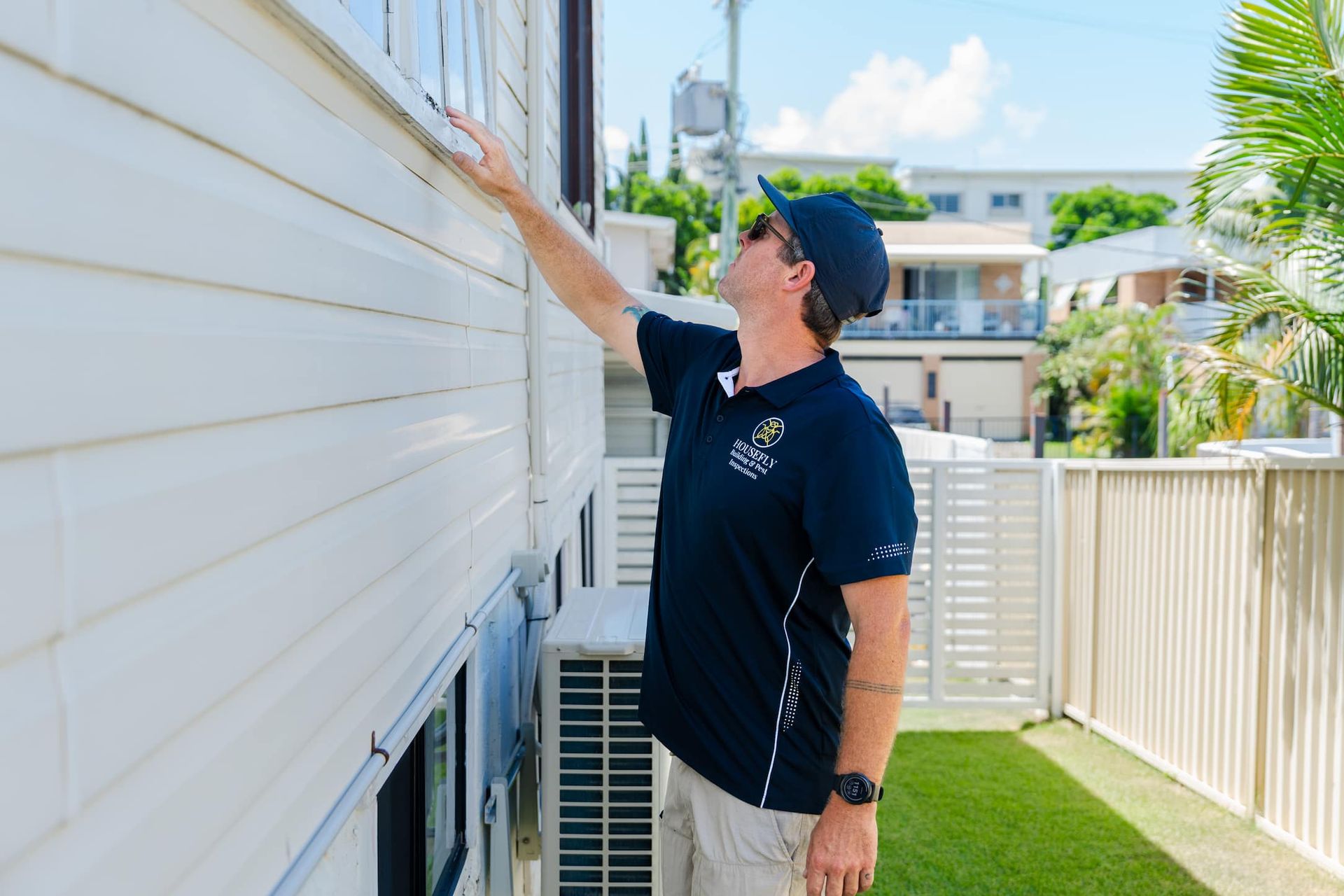
The inspector reviews accessible internal and external areas for visible defects, incomplete items and workmanship concerns.
4. Prepare the Defects Report
You receive a digital report with photographs, locations and clear descriptions of the identified concerns.
5. Raise Items With the Builder
The owner can use the report when discussing outstanding work with the builder before or shortly after handover, subject to the building contract and applicable process.
Handover Inspections Across the Gold Coast
Based in Mermaid Waters, Housefly Building & Pest Inspections provides handover and practical completion inspections across the Gold Coast.
We assist new-home owners and investors in areas including Pimpama, Coomera, Upper Coomera, Hope Island, Helensvale, Robina, Nerang, Southport, Broadbeach, Burleigh Heads and Varsity Lakes. Our wider service region also includes Logan and surrounding growth areas.
New residential development is common in northern Gold Coast locations such as Pimpama, Coomera and Upper Coomera, while rebuilds, duplexes, townhouses and infill developments occur throughout established suburbs.
Different property types can present different handover concerns. A detached house may involve roofing, drainage and external works, while a townhouse or unit may have more limited access to common property and shared building elements.
Each area named on this page should link to its corresponding service-area page as the local content structure expands.
Handover Inspection or Stage Inspection?
A handover inspection occurs near the end of the construction process. A stage inspection is completed earlier, while critical parts of the building are still visible.
Stage inspections may occur at points such as:
- Base or slab stage
- Frame stage
- Enclosed or lock-up stage
- Fixing stage
- Practical completion
A final handover inspection can identify visible defects in the completed home, but it cannot fully assess work that has already been covered by linings, finishes or later construction.
Where Housefly offers multiple construction-stage inspections, these should be booked under the separate new construction and stage inspection service.
Why Choose Housefly for a Handover Inspection?
A new home represents a significant investment, and owners need more than a quick visual walkthrough before accepting the finished property.
Housefly provides:
- Independent handover inspections
- Practical completion inspections for new homes
- Detailed defects reports with photographs
- Plain-English descriptions
- Assessment of accessible internal and external areas
- Identification of visible incomplete work
- Practical building knowledge
- Local service across the Gold Coast
Clear recommendations where specialist advice may be needed
Coordination with owners, builders or site representatives
The exact handover inspection price, turnaround time and whether a follow-up inspection is offered should be confirmed before publication.
Take Possession With a Clearer Defects List
A handover inspection gives you an independent record of visible defects and incomplete items before you begin living in the property.
Housefly Building & Pest Inspections provides detailed practical completion inspections across the Gold Coast, helping new-home owners approach handover with clearer information and a documented list of concerns.
Frequently Asked Questions
When we conduct a building and pest inspection, we look for these common issues:
What is a handover inspection?
A handover inspection is an independent assessment completed near practical completion. It identifies visible defects, incomplete work and workmanship concerns before the owner accepts possession of a newly built property.
Is a handover inspection the same as a practical completion inspection?
The terms are commonly used for the same final-stage inspection. The exact timing and contractual meaning of practical completion can depend on the building contract.
When should I book the inspection?
It should generally be booked when the property is substantially complete and safe to access, but before possession is accepted where the contract allows. Confirm the timing with the builder and inspector.
What does a handover inspector look for?
The inspector may look for incomplete work, damaged finishes, defective doors and windows, poor tiling, sealant issues, cracking, drainage concerns, loose fittings and other visible workmanship defects.
Does the inspection check compliance with the building code?
It may identify visible matters that appear to warrant further investigation, but it does not replace formal certification or confirm complete compliance with every building code, standard or approval.
Does the handover inspection replace the building certifier?
No. A building certifier performs a different statutory role. A handover inspection is an independent review for the owner and does not issue occupancy approval.
Will I receive a defects report?
Yes. Housefly provides a digital report with photographs and clear descriptions of visible defects and incomplete items.
Can I give the report to my builder?
Yes. The report is intended to help you raise identified concerns with the builder. How those items are handled will depend on the contract and the builder’s defect process.
Can the inspector check behind walls?
No. A standard handover inspection is visual and non-invasive. Concealed work behind walls, ceilings, fixed finishes or cabinetry cannot be fully assessed.
Is a handover inspection worthwhile for a brand-new home?
Yes. New homes can still contain incomplete items, damaged finishes and workmanship defects. An independent inspection provides a clearer record before possession.
What is the difference between a handover inspection and a stage inspection?
A handover inspection occurs near completion. Stage inspections take place earlier during construction while structural and concealed elements may still be visible.
Can you inspect townhouses and units?
Yes, subject to the agreed scope and available access. Common property and shared building elements may fall outside the inspection of the individual lot.
How much does a handover inspection cost?
The current supplied business information does not include a confirmed handover inspection price. Cost may depend on the property size, number of storeys, location and inspection scope.
Which areas do you service?
Housefly provides handover inspections across the Gold Coast, including Pimpama, Coomera, Upper Coomera, Hope Island, Helensvale, Robina, Nerang and Southport, with wider service coverage extending towards Logan.